Wuhan 2020
Designing open-source COVID-19 platforms—from an information platform in China to a resource platform for U.S. healthcare workers
VOLUNTEER PRODUCT DESIGNER
OPEN-SOURCE
COVID-19 RESPONSE
DESIGN SYSTEMS
DATA VISUALIZATION

Summary
Designing clarity in a crisis
In early 2020, as COVID-19 began spreading in Wuhan, thousands of volunteers came together through Wuhan 2020—an open-source community building tools to connect people who needed help with those who could provide it.
The challenge wasn't just moving fast. With multiple teams designing and building simultaneously, we needed shared foundations that could help people collaborate without slowing each other down.
My Role
I joined as a volunteer designer, collaborating remotely with designers, engineers, product managers, and data scientists across several initiatives.
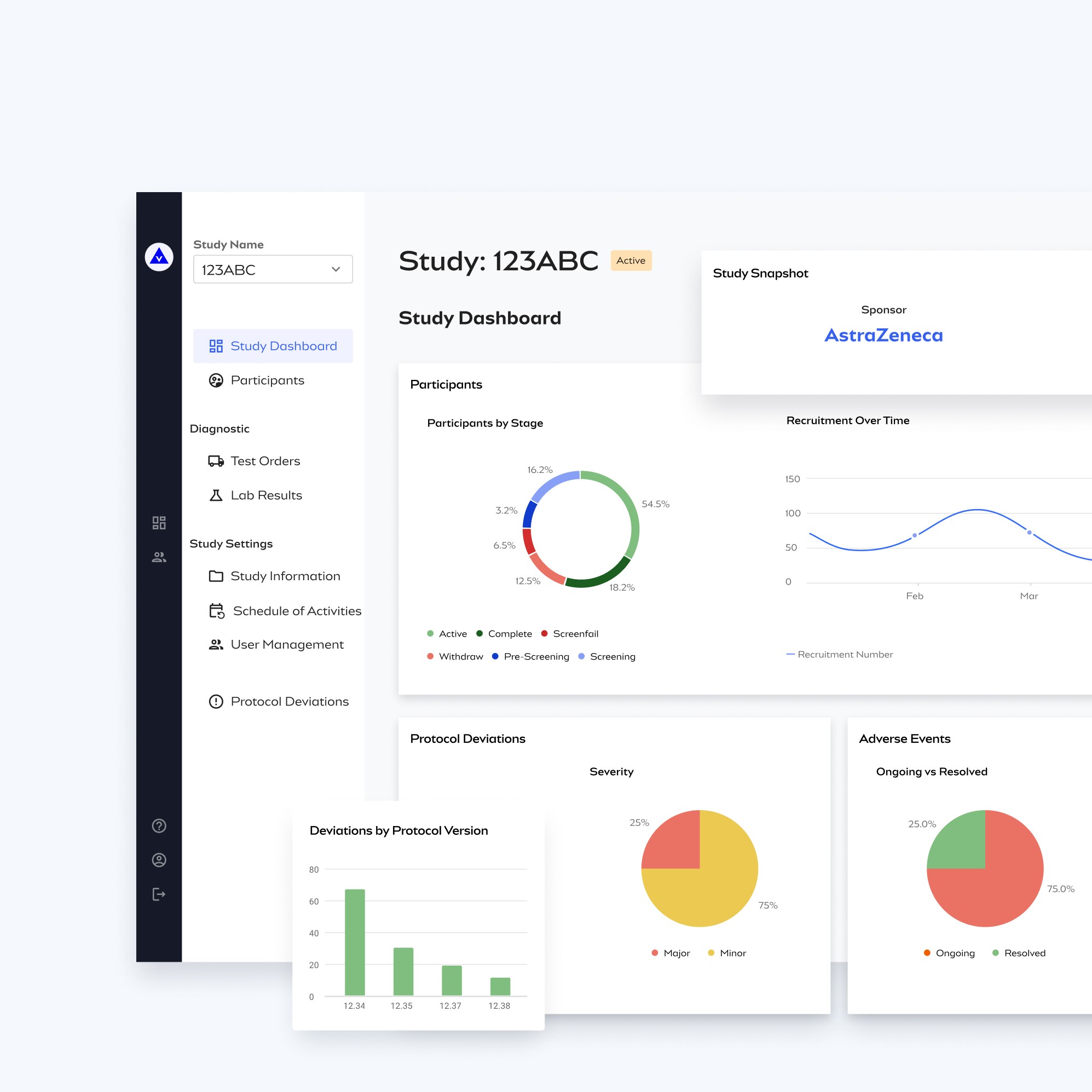
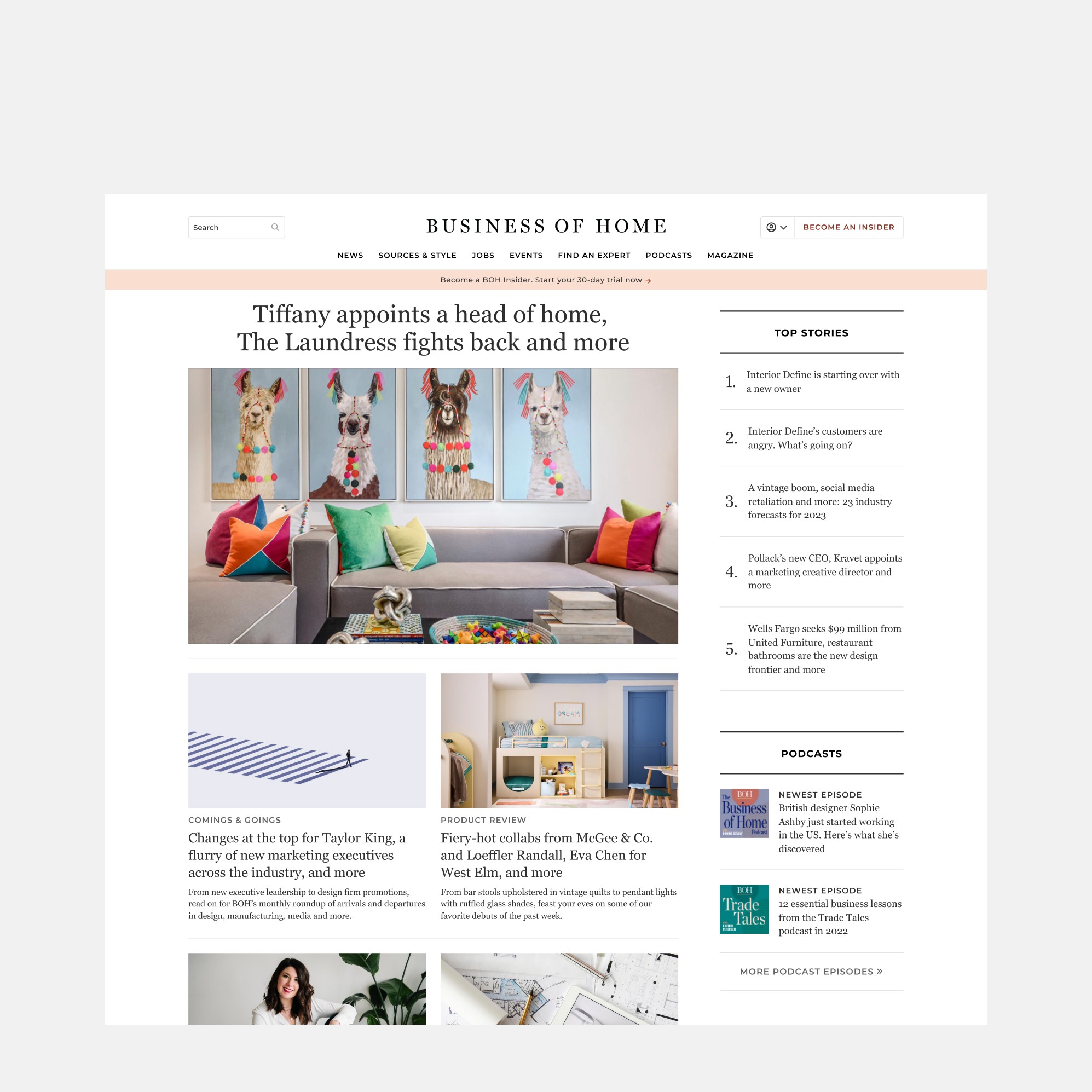
My work began with creating a shared design system and later expanded to a COVID tracking experience, a hackathon dashboard, and a resource platform supporting U.S. healthcare workers.
Impact
Within two weeks, the team launched the first version of the Wuhan 2020 platform. In its first month, it received 100K+ unique visits, while the open-source project grew to 3,000+ volunteers worldwide and 5,913 GitHub stars.
Creating a shared foundation
1 design system · 8 production teams · 2 days
When I joined Wuhan 2020, eight production teams were already designing and building different parts of the platform simultaneously. Without a shared foundation, teams risked duplicating work and creating inconsistent experiences at a time when speed mattered.
At the time, Figma was still relatively new to many designers. I had recently learned the tool and saw an opportunity: its collaborative workflow was particularly well suited to a globally distributed team working remotely and moving quickly. I recommended Figma to the team and proposed building our shared design system there.
Instead of creating every component from scratch, we used Alibaba's Ant Design as a foundation and adapted it to our product and branding needs. Working with another designer and a front-end developer, I helped establish the first version of the system in two days.
The system became a shared resource across eight production teams. As new needs emerged, we collected feedback from designers and developers, refined existing patterns, and added components—allowing the system to evolve alongside the products it supported.


Adapting to a changing crisis
As COVID-19 spread to the U.S., the challenge shifted. Healthcare workers were facing critical shortages of protective equipment, while people and organizations willing to help often lacked a clear way to understand where resources were needed most.
I joined a small team within the Wuhan 2020 community to design a platform that made those needs more visible and actionable. Healthcare workers could submit requests for supplies, while donors and volunteers could identify where support was needed.
Working within a rapidly changing situation, we moved from early concepts to responsive web designs in two weeks. I collaborated with the team to translate evolving requirements into a simple experience that could serve both sides of the exchange.
For me, the project reinforced an idea that would continue to shape my work: in moments of complexity and uncertainty, good design isn't about adding more information—it's about helping people understand what matters and what they can do next.

Reflection
Wuhan 2020 was one of my earliest experiences designing within a complex, fast-moving system. There was no established process, requirements changed constantly, and people across disciplines, organizations, and time zones had to figure out how to work together as we went.
It taught me that design can create clarity in more ways than one: a shared system can help teams work together, a dashboard can make scattered information understandable, and a simple interface can help people turn intention into action.
Looking back, this experience shaped a principle that has stayed with me throughout my career: when complexity increases, clarity becomes more—not less—important.